
To actively support the national strategy of building a strong education sector, further advance educational opening-up in the new era, and promote the high-quality development of the university’s “Double First-Class” initiative, Deputy Party Secretary Qu Yan led a delegation on a working visit to six universities in Germany, Spain, and the United Kingdom from April 22 to May 1, at the invitation of several renowned European institutions. The delegation also paid courtesy visits to Chinese embassies and consulates in the region. The visit aimed to strengthen traditional ties, expand international cooperation networks, and engage in substantive discussions with European partner universities on talent cultivation, scientific research collaboration, faculty exchanges, and mutual learning in institutional governance, resulting in a series of fruitful outcomes.
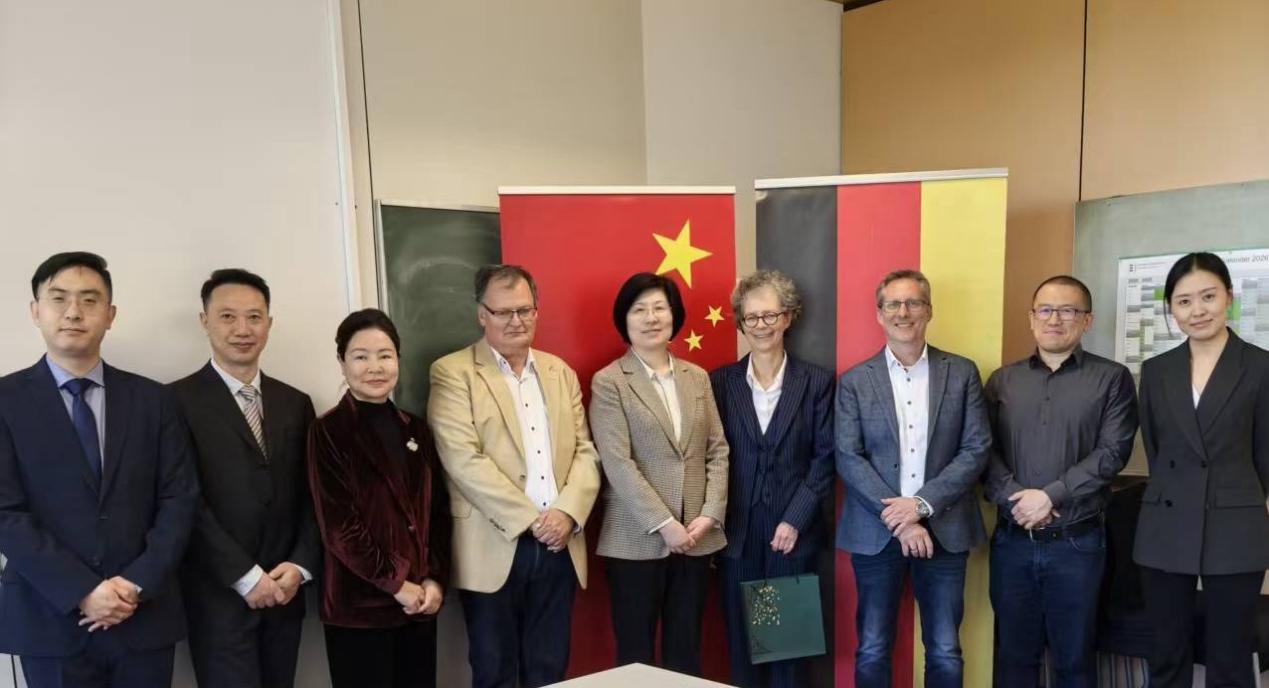
During the visit, the delegation traveled to Reutlingen University in Germany, the University of Zaragoza in Spain, and Heriot-Watt University, the University of Edinburgh, Durham University, and the University of Nottingham in the United Kingdom. In Germany, Deputy Party Secretary Qu Yan held discussions with Professor Sabine Löbbe, President of Reutlingen University, and other university leaders. The two sides conducted in-depth exchanges on applied talent development models, semester-based student exchange programs, and scholar mobility, and signed a student exchange agreement, marking a new step forward in bilateral cooperation.
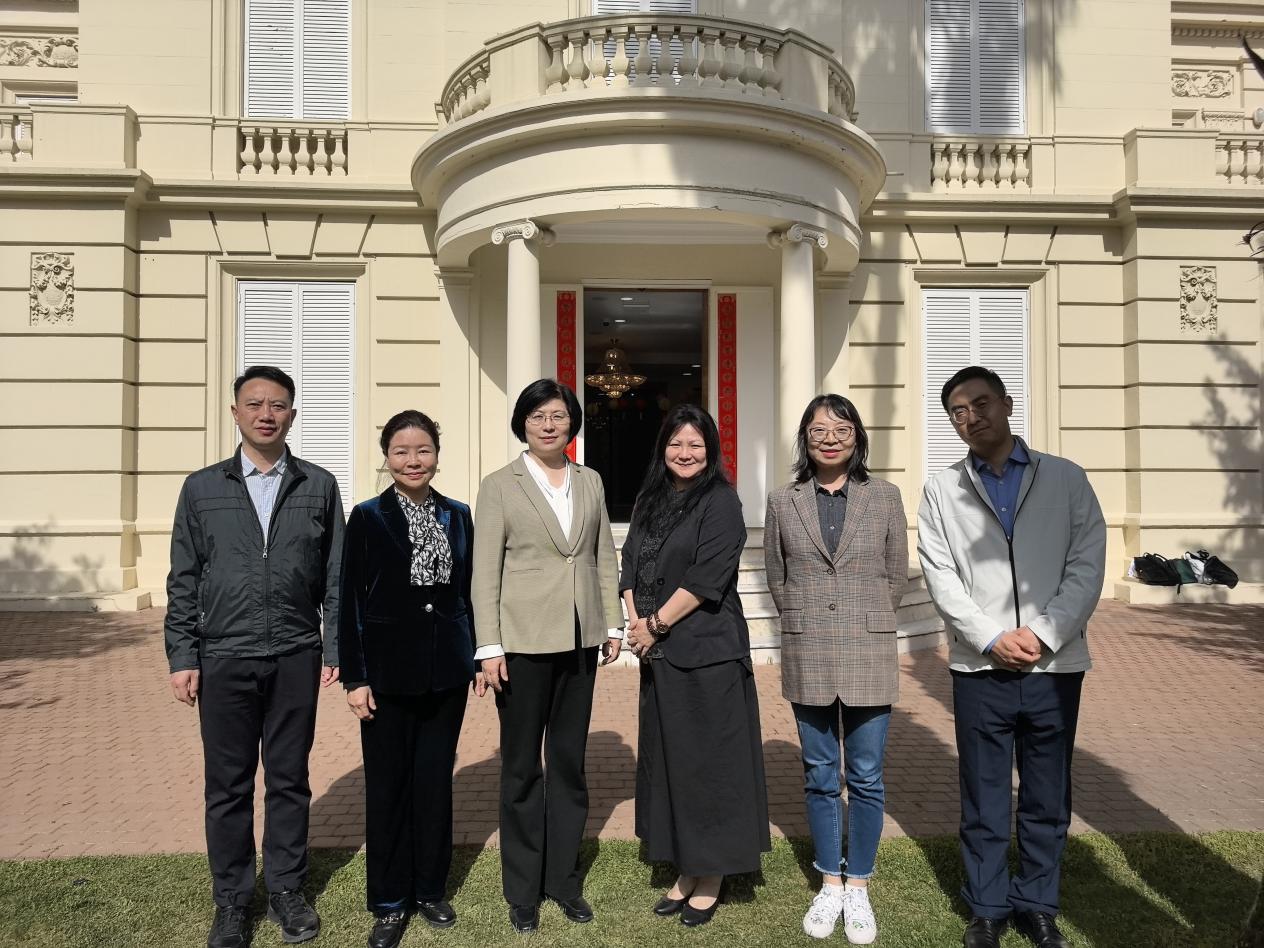
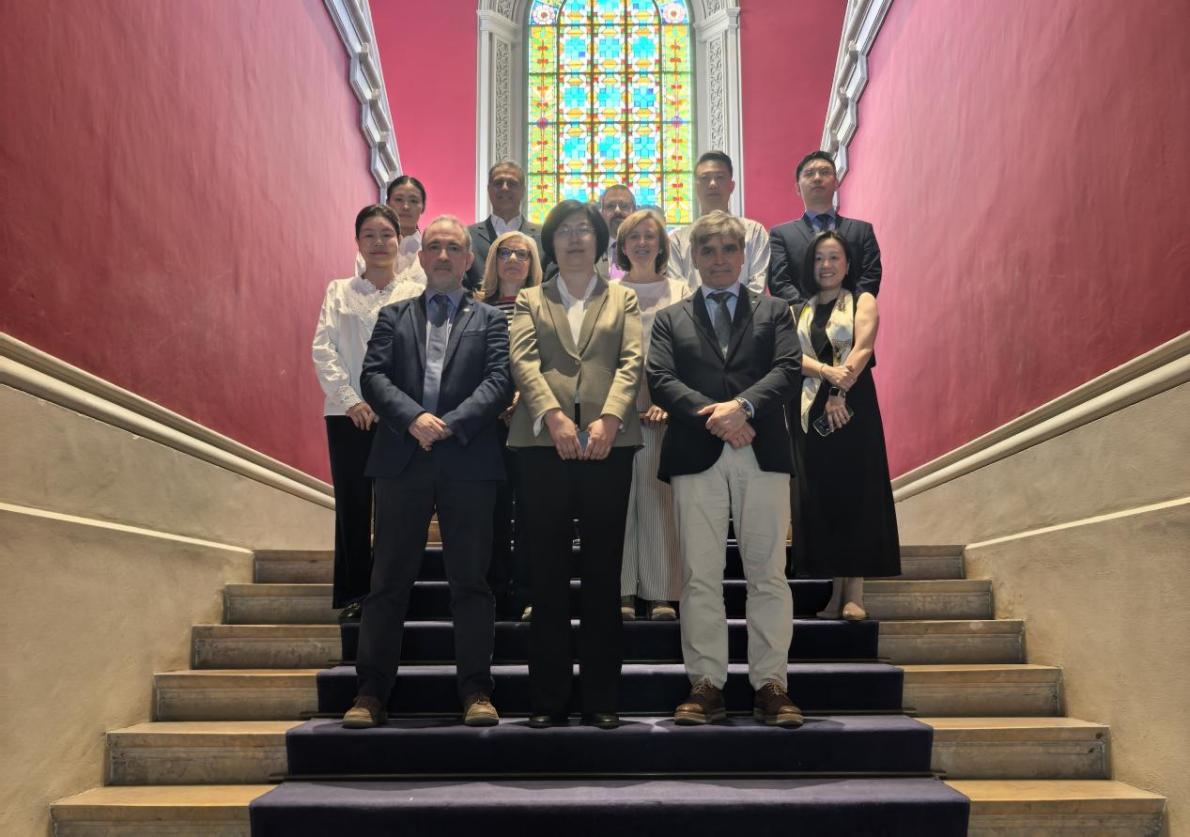
In Spain, the delegation paid a courtesy visit to the Chinese Consulate General in Barcelona, where Consul General Meng Yuhong warmly received the delegation. Deputy Party Secretary Qu Yan briefed the Consul General on the university’s cooperation with European institutions and the objectives of the current visit. Consul General Meng provided an overview of Spain’s higher education landscape and the cooperation opportunities among universities in the Barcelona region, highlighting new pathways and emerging areas for Sino-Spanish academic collaboration. Her insights offered valuable guidance for further deepening the university’s engagement with Spain and contributing to global education governance. At the historic University of Zaragoza, Deputy Party Secretary Qu Yan met with Professor Sergio Salinas, Vice Rector for International Cooperation; Professor Luis Morellón, Vice Rector for Academic Affairs; and other senior representatives. The two sides conducted comprehensive and practical discussions on student mobility, summer programs, joint research, faculty development, and university governance, establishing a strong foundation for future collaboration.
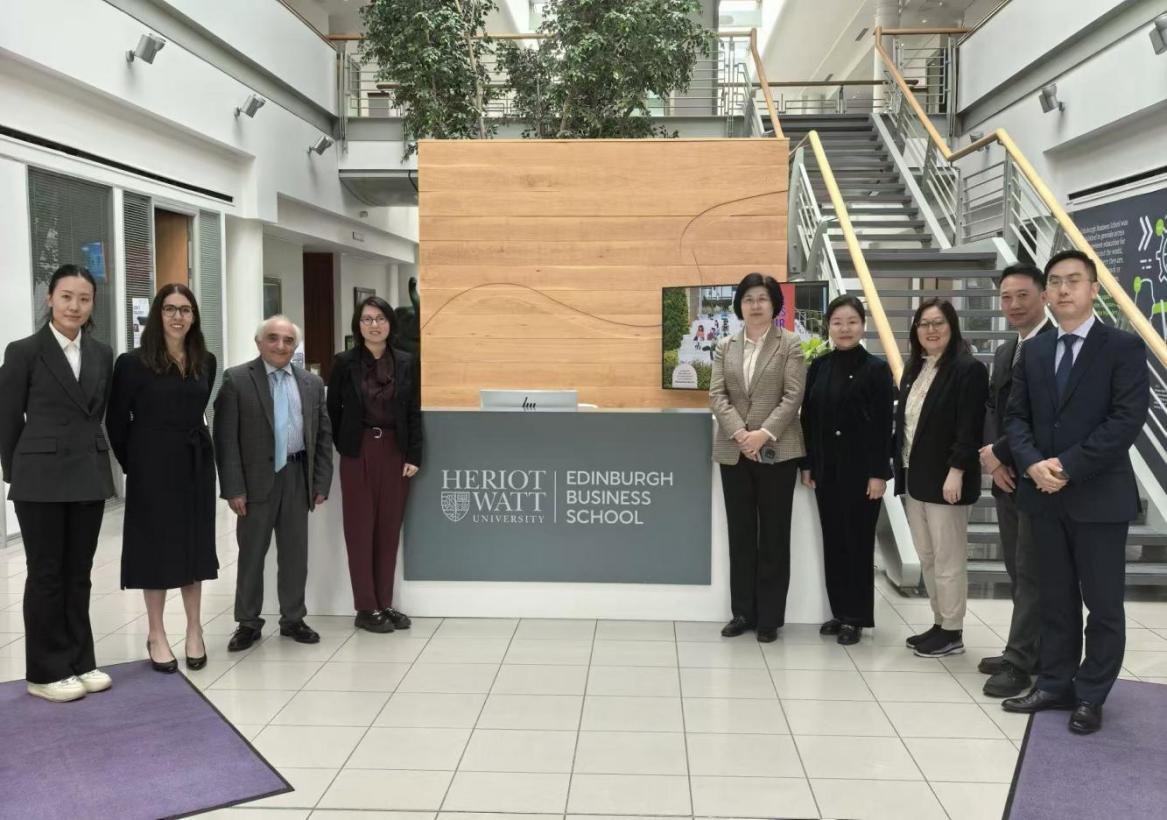
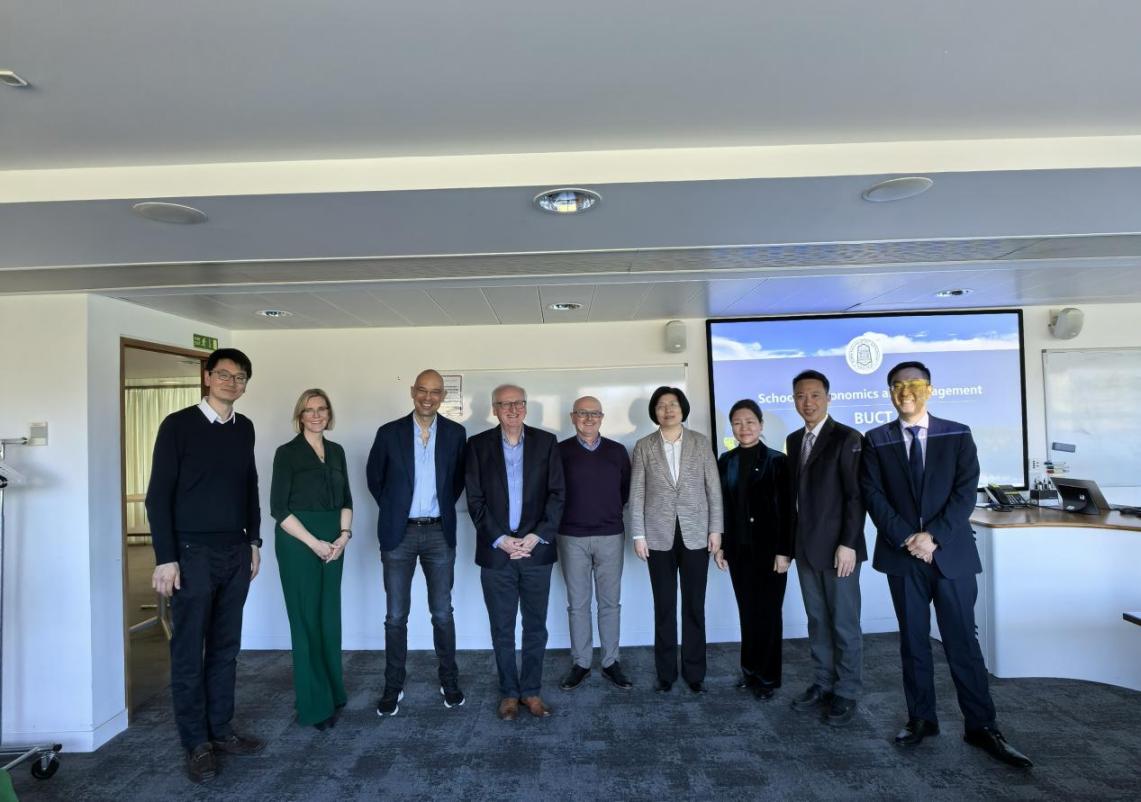
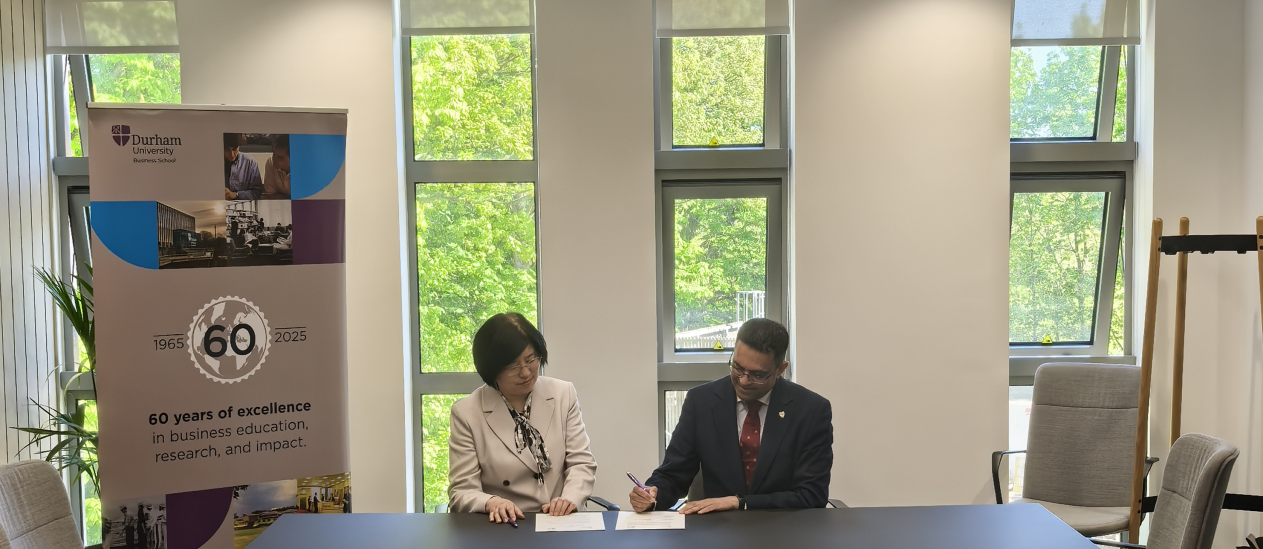
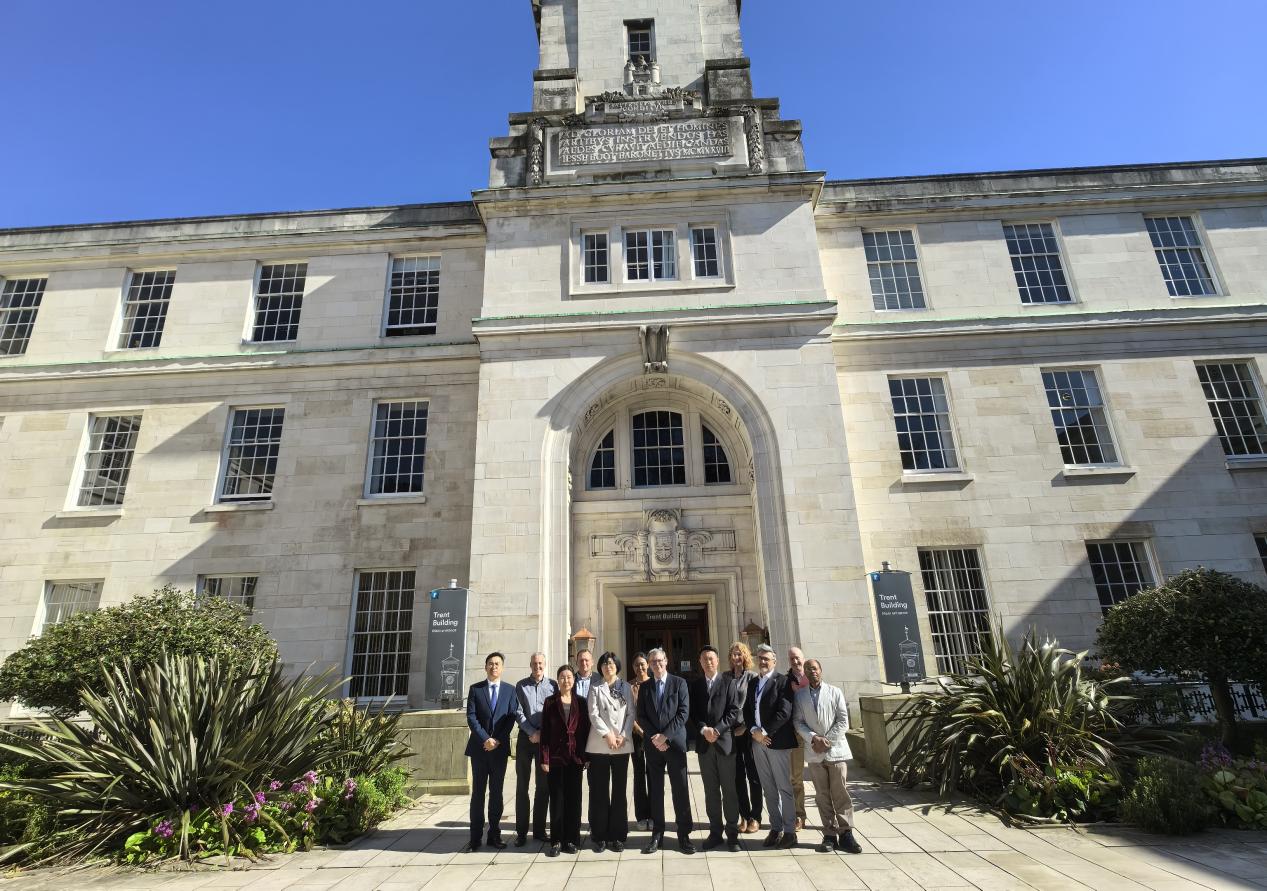
In the United Kingdom, the delegation visited Heriot-Watt University and held discussions with Grant Wheeler, Head of Commercialisation, and other experts on industry-university-research collaboration, technology transfer, joint research platform development, and short-term visiting scholar programs. Both sides expressed their willingness to advance platform-based cooperation in areas of shared interest.At the University of Edinburgh, the delegation held discussions with representatives from the Business School on disciplinary cooperation in economics and management, MBA program development, faculty advancement, and potential short-term visiting programs, further exploring opportunities for future collaboration.At Durham University, Deputy Party Secretary Qu Yan held discussions with Professor Kieran Fernandes and other university leaders. The two sides exchanged views on joint undergraduate and master’s training programs, the introduction of MBA modules, and faculty exchanges. Following the meeting, the two universities officially signed an institutional framework cooperation agreement, opening a new chapter in their partnership.At the University of Nottingham, Deputy Party Secretary Qu Yan met with Professor Nigel Mongan, Vice Chancellor, and other senior university leaders. The two sides reviewed their previous constructive exchanges and held in-depth discussions on joint undergraduate and master’s education, faculty mobility, and research collaboration. Building on this foundation, the two universities signed an institutional cooperation agreement, committing to advancing substantive collaboration in areas including student exchanges, credit recognition, and faculty sharing.
This European visit marks an important milestone in the university’s continued efforts to enhance high-level international engagement and draw upon the governance experience and operational practices of world-class universities. Through extensive exchanges and cooperation, the university not only strengthened partnerships with several renowned European institutions and signed multiple cooperation agreements but also gained valuable insights into innovative approaches to talent cultivation, industry-education-research integration, and institutional governance optimization. The outcomes of the visit will serve as important references for advancing institutional reform and improving university governance. All delegation members expressed their commitment to systematically reviewing and implementing the outcomes of the visit, ensuring the effective execution of signed agreements, and transforming the lessons learned into practical measures to support the university’s comprehensive development.
The delegation consisted of Gao Hongxia, Party Secretary of the School of Economics and Management; Xu Limin, Director of the Inspection Office; Teng Da from the School of Economics and Management; and Gao Xing from the Office of International Cooperation and Exchange.
Office of International Cooperation and Exchange,School of Economics and Management